
+86-400-6265788
Language
+86-400-6265788
In recent years, Electric Side Pedals—also known as electric running boards or automatic side steps—have become a popular automotive accessory for SUVs, pickup trucks, and commercial vehicles. These intelligent step systems automatically deploy when a vehicle door opens and retract when the door closes, providing both convenience and improved vehicle aesthetics.
For automotive manufacturers and aftermarket suppliers, electric side pedals represent a combination of mechanical engineering, electronic control systems, and ergonomic vehicle design. With the growing popularity of high-clearance vehicles worldwide, the demand for these systems continues to increase.

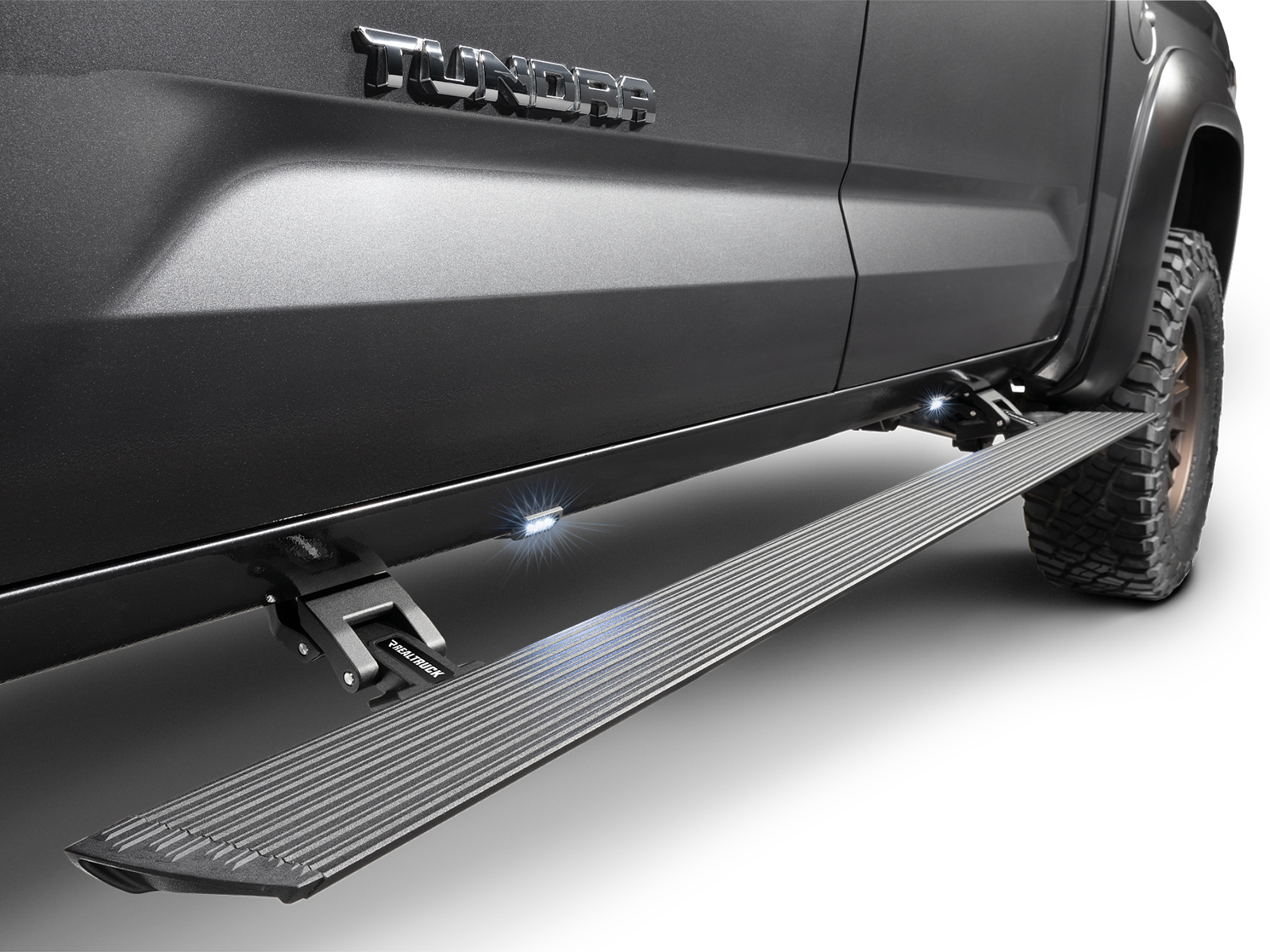
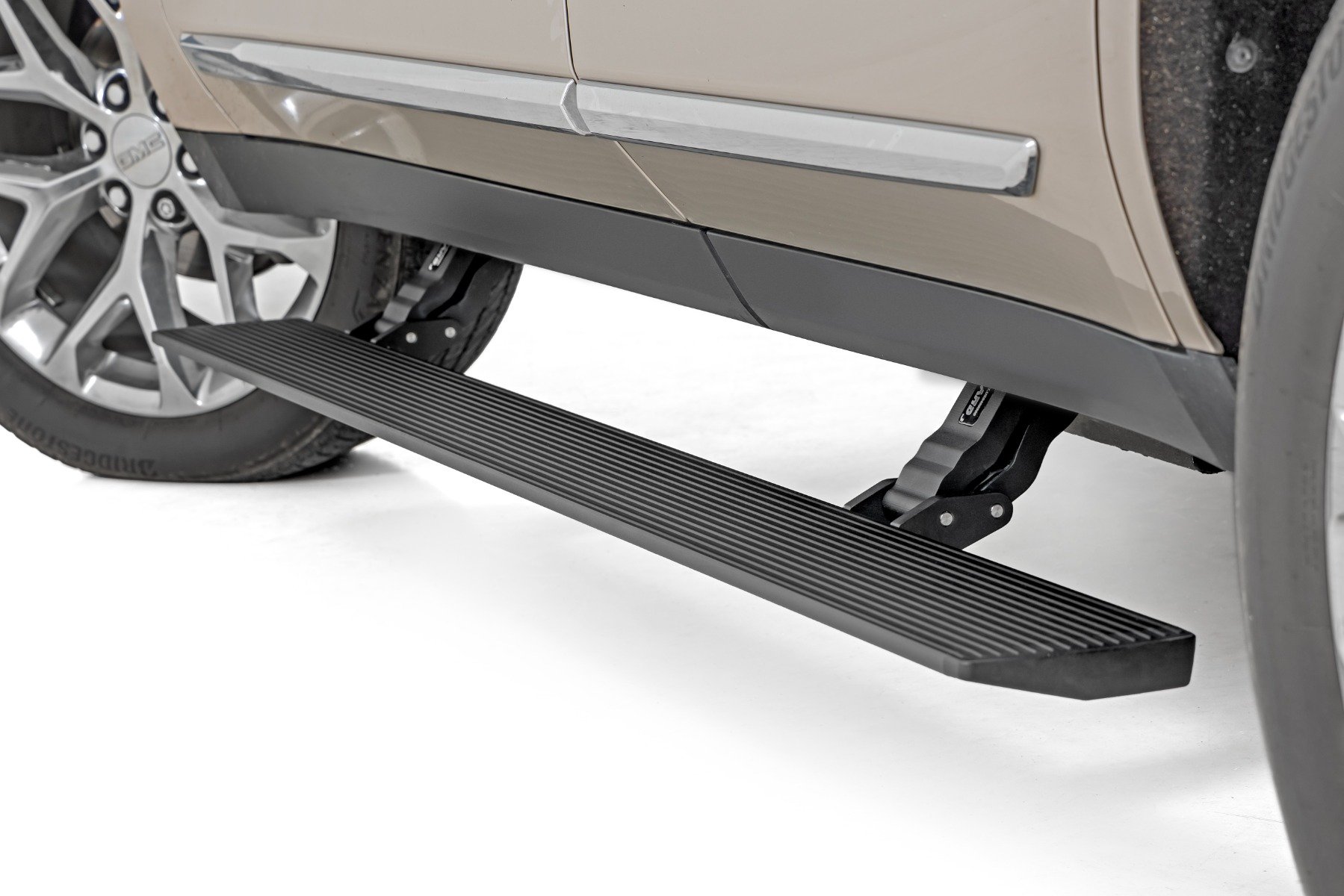
Electric side pedals are automated stepping platforms installed beneath vehicle doors that extend outward when the door opens and retract flush against the vehicle body when the door closes.
Their primary purpose is to help passengers enter and exit tall vehicles more safely and comfortably, especially SUVs, pickup trucks, vans, and off-road vehicles with higher ground clearance.
Unlike traditional fixed running boards, electric side pedals use electric motors, sensors, and electronic control units (ECUs) to provide automatic deployment and retraction.
| Door Sensor | Detects door opening or closing |
| Electric Motor | Drives the step extension and retraction |
| ECU Controller | Coordinates sensor signals and motor action |
| Step Platform | Provides anti-slip surface for passengers |
| Mounting Bracket | Attaches the system to the vehicle chassis |
When the vehicle door opens, the ECU receives a signal from the door sensor and activates the motor to extend the step. Once the door closes, the step retracts automatically to maintain the vehicle’s aerodynamic design and ground clearance.
Large vehicles such as SUVs and pickup trucks can have significant ground clearance. Electric side pedals create an intermediate step between the ground and the cabin floor, making entry easier for:
Children
Elderly passengers
Drivers carrying cargo
People with mobility limitations
Some models can support up to 300 kg load capacity, ensuring stability and safety during use.
Traditional fixed side steps remain visible and protruding even when not in use. Electric side pedals retract into the vehicle body, offering:
Cleaner vehicle profile
Reduced drag
Better ground clearance for off-road vehicles
This design improves both aesthetic integration and functionality.
Modern electric side pedal systems integrate multiple safety technologies:
| Anti-pinch detection | Stops movement if an obstacle is detected |
| Anti-slip surface | Provides grip in wet or snowy conditions |
| Automatic retraction | Prevents damage when driving |
| Weather-sealed electronics | Protects motors and wiring from rain or dust |
These features reduce risks for passengers and protect the vehicle from potential damage.
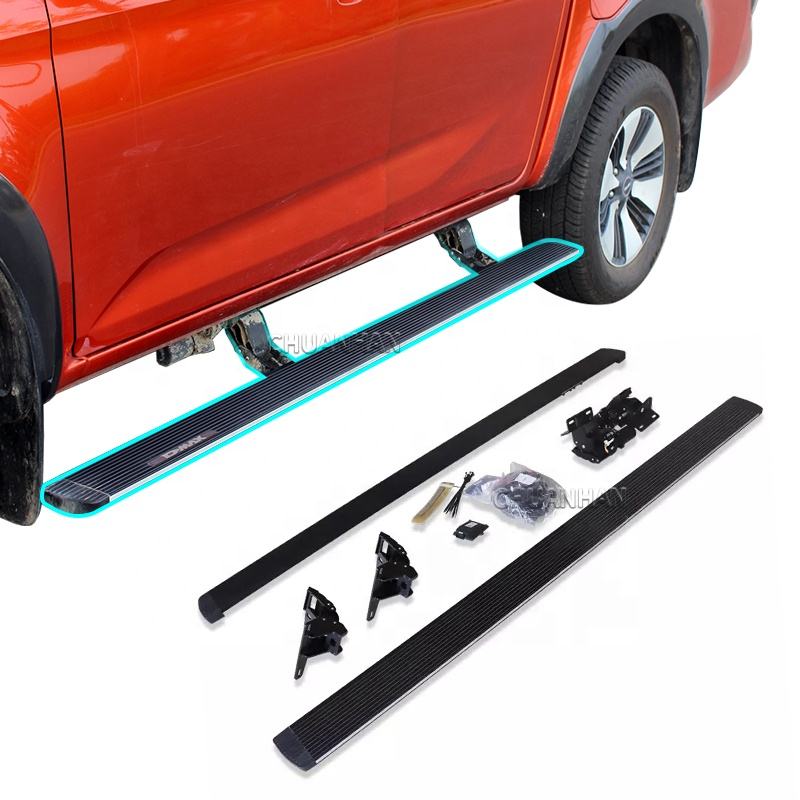


Most high-quality electric side pedal systems share several important engineering characteristics.
Electric side pedals are typically manufactured using:
Aircraft-grade aluminum
High-strength steel brackets
ABS engineering plastic end caps
These materials provide durability, corrosion resistance, and lightweight performance.
Advanced systems may include:
OBD interface integration
Hall sensors for motion control
Remote key synchronization
ECU-based step deployment logic
These technologies allow the pedal system to operate seamlessly with the vehicle’s electrical architecture.
| Maximum Load | 250–300 kg |
| Motor Torque | Around 60 Nm |
| Deployment Time | 1–2 seconds |
| Operating Voltage | 12V vehicle power |
High load capacity ensures the step remains stable for different passenger weights.
Electric side pedals are widely used across different vehicle categories.
| Pickup Trucks | Improve entry for lifted vehicles |
| SUVs | Family-friendly convenience |
| Commercial Vans | Passenger transport access |
| Off-road Vehicles | Maintain ground clearance |
| Luxury Vehicles | Premium appearance and comfort |
Because these vehicles typically have higher chassis heights, they benefit the most from automated step systems.
| Deployment | Automatic | Always exposed |
| Appearance | Hidden when not in use | Permanent |
| Safety | Smart sensors | No automation |
| Ground Clearance | Maintained | Reduced |
| Installation Cost | Higher | Lower |
Electric side pedals provide greater convenience and advanced functionality, although fixed steps remain more economical for basic vehicle upgrades.
The electric side pedal industry is evolving with the advancement of smart vehicle technologies. Future developments may include:
Integration with smart vehicle networks
LED illuminated steps
Lightweight composite materials
AI-based obstacle detection
Integration with autonomous vehicle access systems
As vehicles become smarter and more connected, accessories such as electric side pedals will continue to integrate deeper with automotive electronics.
Electric side pedals are most suitable for SUVs, pickup trucks, and commercial vans because these vehicles have higher ground clearance and stronger mounting structures.
No. Since the pedals retract when not in use, they do not significantly reduce ground clearance, making them ideal for off-road vehicles.
Most systems are designed with bolt-on mounting brackets, meaning they can be installed without welding or major vehicle modification.
Most high-quality systems support 250–300 kg, depending on the material and structural design.
Yes. Many systems feature weatherproof motors, sealed wiring connectors, and anti-slip surfaces, allowing them to function reliably in rain, snow, or dust environments.
Automotive accessory industry resources on electric running boards and powered side steps.
Engineering descriptions of automatic running board mechanisms and materials.
Vehicle modification product documentation for electric running board systems.

Bohai Automotive Technology (Zhejiang Huzhou) Co., Ltd.
 No.42 Changhe Road, Changxing County, Zhejiang Province, China.
 +86-400-6265788
Bohai Automotive Technology (Zhejiang Huzhou) Co., Ltd. Rights Reserved. Wholesale SUV Smart Electric Side Pedals Manufacturers

 English
 中文简体
中文简体